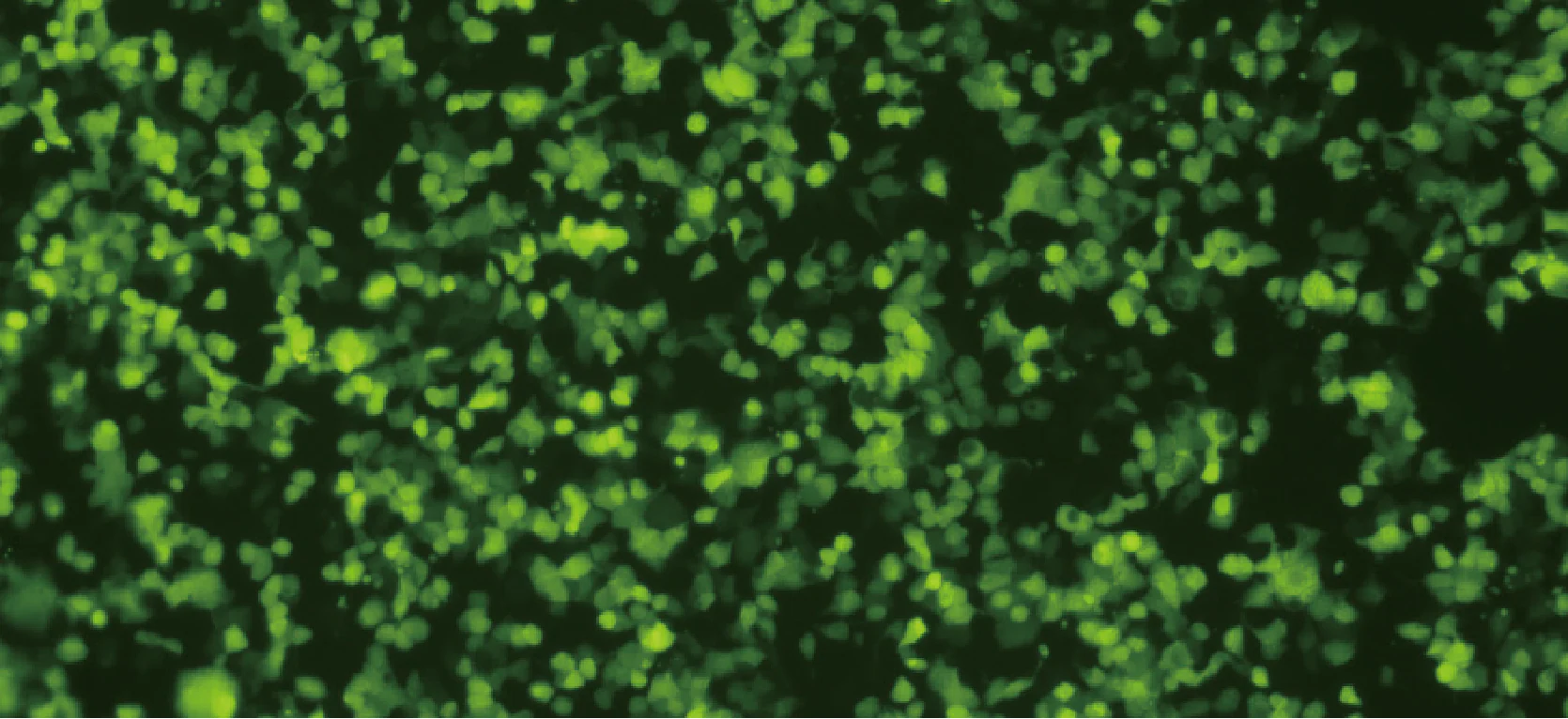
Booster DNA/RNA Transfection Reagent는 새로운 고분자 소재를 기반으로 개발된 차세대 transfection reagent입니다.
독창적인 분자 설계를 통해 cytotoxicity를 크게 낮췄으며, 효소 분해를 방지하는 스마트 보호 메커니즘을 적용해 전달 과정에서 DNA/RNA가 세포 내 효소에 의해 분해되는 것을 효과적으로 억제합니다. 이를 통해 nucleic acid의 안정성을 높이고 transfection efficiency를 극대화할 수 있습니다.
Liposome을 넘어선 차세대 Booster DNA/RNA Transfection
높은 독성, 낮은 효율, 그리고 제한적인 세포 적용성은 오랫동안 cell transfection 분야의 주요 과제로 여겨져 왔습니다. 기존의 lipid-based transfection reagent는 비교적 높은 transfection efficiency를 제공하지만 cytotoxicity가 높은 편이며, primary cell이나 민감한 세포에서는 실험 조건을 반복적으로 최적화해야 하는 경우가 많습니다. 반면 PEI 기반 transfection reagent는 독성은 낮지만 세포 적용성이 제한적이며, 293 세포를 제외한 다른 세포에서는 transfection efficiency가 낮은 경우가 많습니다.
Yeasen은 생물학 및 재료과학 분야의 심층 연구를 바탕으로 차세대 고분자(polymeric) transfection reagent인 Hieff Trans™ Booster DNA & RNA Transfection Reagent를 새롭게 개발했습니다. 이 제품은 기존 transfection reagent의 한계를 극복하여 더 낮은 독성, 더 높은 효율, 그리고 더욱 폭넓은 세포 적용성을 제공합니다.
• 낮은 Cytotoxicity 기존 liposome 기반 기술 대신 새로운 고분자(polymer) 소재를 적용하여 세포 독성을 낮추고 세포 생존율을 향상시켰습니다.
• 빠른 방출(Fast Release) 및 높은 Transfection Efficiency 세포 내에서 nucleic acid가 빠르게 방출되어 효소에 의한 분해를 최소화하며, Flow Cytometry 기준 90% 이상의 transfection efficiency를 제공합니다.
• 난전이성(Difficult-to-transfect) 세포를 위한 최적의 솔루션 Sensitive cell 및 Primary cell에서도 우수한 transfection 성능을 제공합니다.
• 검증된 성능과 폭넓은 세포 적용성 293T, HeLa, MCF7, HepG2, A549, NIH3T3, RAW264.7, HCT116을 비롯한 200종 이상의 세포주와 Primary cell에서 높은 transfection efficiency를 달성하며, 일관되고 재현성 있는 결과를 제공합니다.
• 하나의 Reagent로 다양한 Nucleic Acid 전달 DNA, siRNA, miRNA, mRNA 및 ASO를 효율적으로 전달할 수 있으며, 최대 15 kb 크기의 DNA 조각도 높은 효율로 transfection이 가능합니다.
Booster의 뛰어난 성능으로 연구의 가능성을 확장하세요
AI 기반 차세대 Transfection Reagent 개발 플랫폼
Yeasen Biotechnology는 AI 기반 고속 스크리닝(High-throughput Screening) 플랫폼을 활용하여 Transfection Reagent를 개발하고 있으며, 이를 통해 기초 연구(Basic Research), 재조합 단백질·항체 생산(Recombinant Protein/Antibody Production), 바이러스 벡터 제조(Viral Vector Manufacturing) 등 3대 주요 분야를 아우르는 다양한 Transfection Reagent 제품군을 성공적으로 출시했습니다.
이 플랫폼은 연구자들에게 고품질의 기초 연구용 Transfection Reagent를 제공할 뿐만 아니라, 대규모 항체 및 단백질 생산을 지원하는 고성능 제품과 바이러스 패키징용 GMP Grade Transfection Reagent도 제공합니다. 이를 통해 대규모 AAV 및 Lentiviral Vector(LV) 생산 요구를 충족시키며, 신약 개발 및 생산 공정을 강력하게 지원합니다.
독자적인 메커니즘으로 모든 단계에서 Transfection Efficiency 향상
Hieff Trans™ Booster는 차세대 고분자(Polymeric) 기반 Transfection Reagent입니다.
독자적으로 설계된 작용 메커니즘을 통해 Transfection 과정의 각 단계에서 효율을 향상시켜, 더욱 높은 성공률과 우수한 실험 결과를 제공합니다.
Hieff Trans™ Booster와 함께 더욱 쉽고 강력한 Transfection을 경험해 보세요.
Hieff Trans™ Booster의 핵심 작용 메커니즘
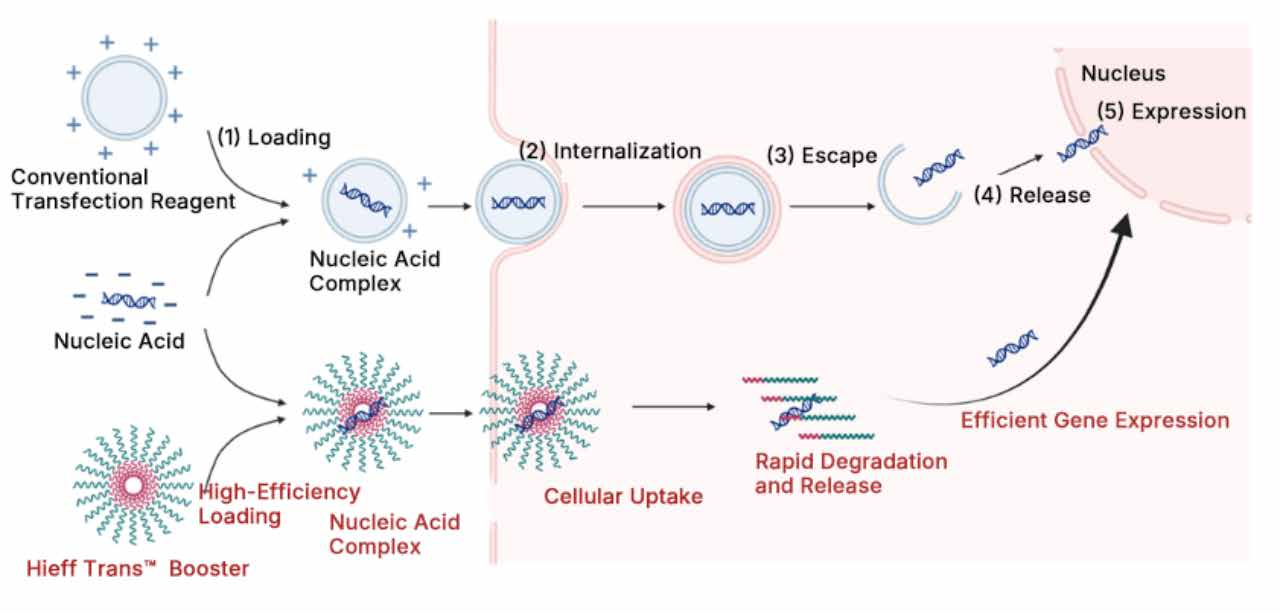
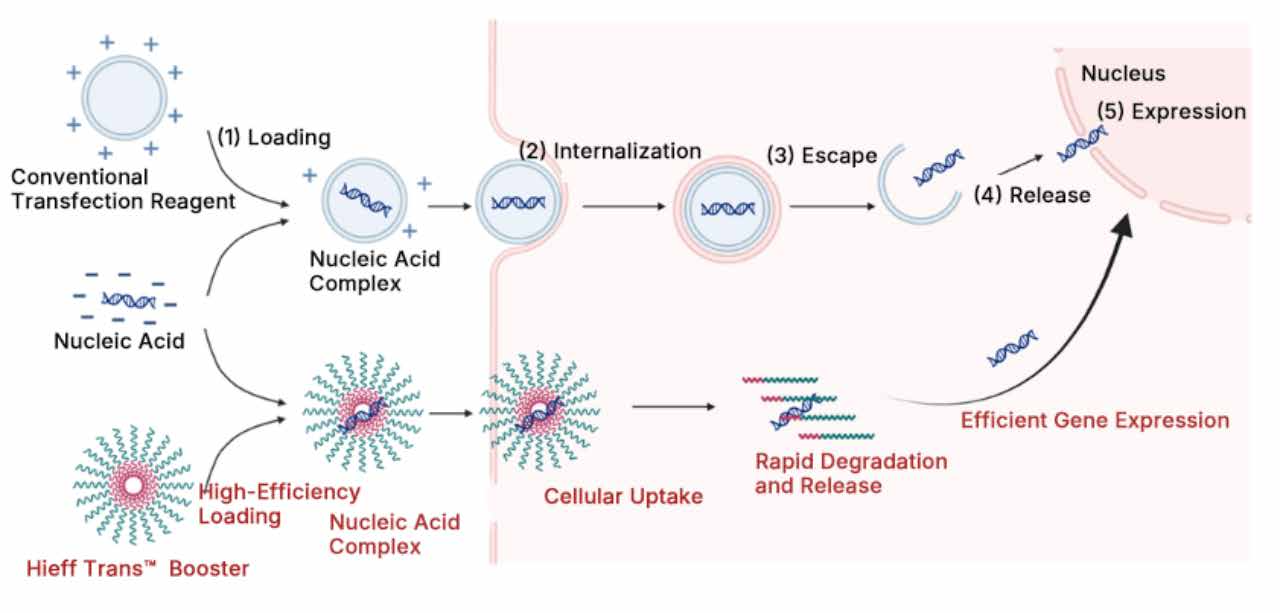
1. 높은 Loading Capacity → 이중 결합 메커니즘: 전하 상호작용(Charge Interaction) + 고분자 사슬 얽힘(Polymer Chain Entanglement)
기존의 단순 전하 상호작용 방식보다 더 많은 양의 nucleic acid를 안정적으로 결합하고 전달할 수 있습니다.
2. 효율적인 Cellular Uptake → 세포막 직접 통과(Membrane Translocation)
기존의 Endocytosis 경로보다 빠르게 세포 내로 유입되어 transfection 효율을 향상시킵니다.
3. 세포 손상 없는 Nucleic Acid Release → 세포 내 효소 및 환원성 GSH(Glutathione)에 의해 고분자가 빠르게 분해
전달된 nucleic acid를 손상 없이 신속하게 방출하여 높은 발현 효율을 제공합니다.
4. 향상된 Safety Profile → 빠른 고분자 분해 특성
세포 내에서 신속하게 분해되어 기존 lipid-based transfection reagent 대비 더 낮은 cytotoxicity를 나타내며, 세포 생존율을 높여줍니다.
Jurkat Cell DNA Transfection
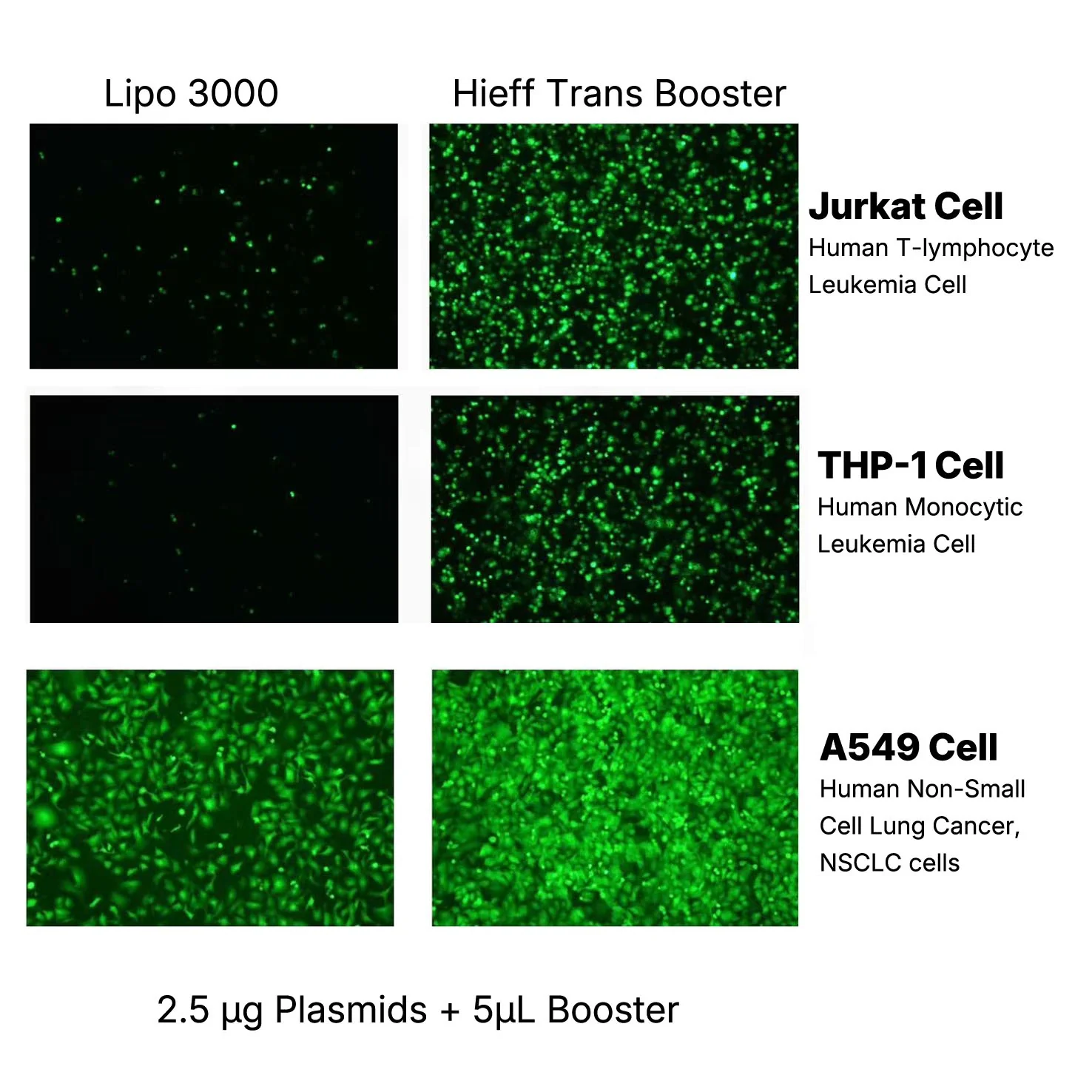
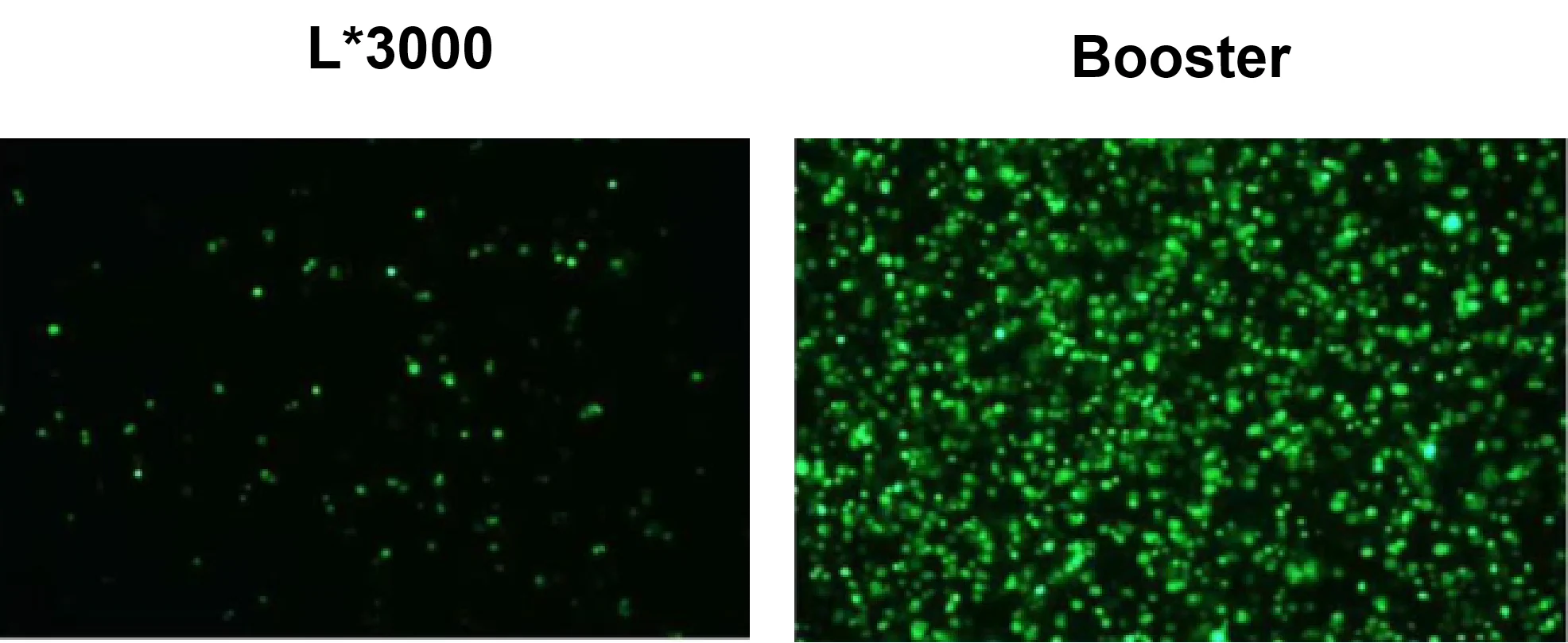
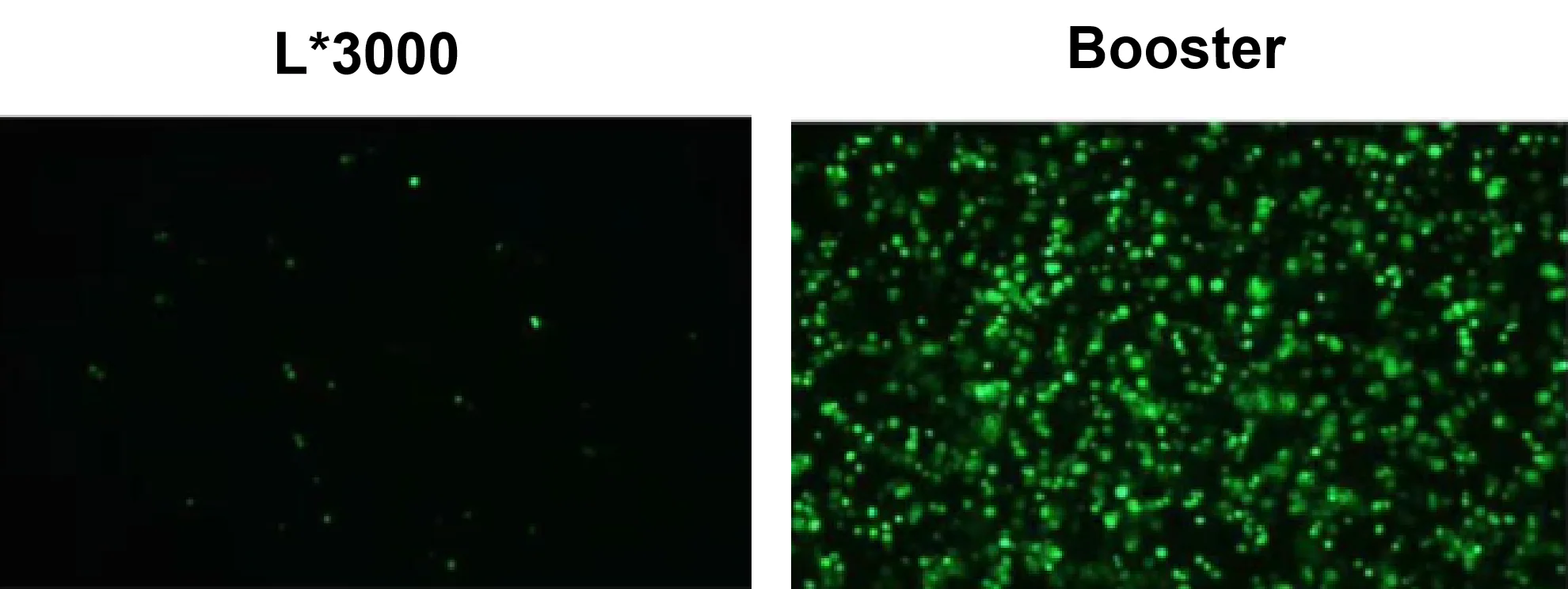
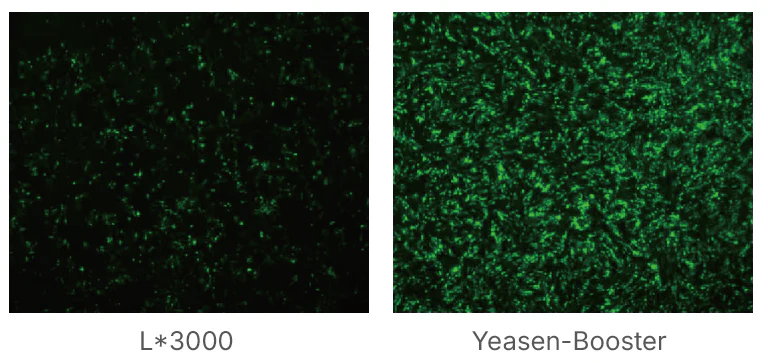
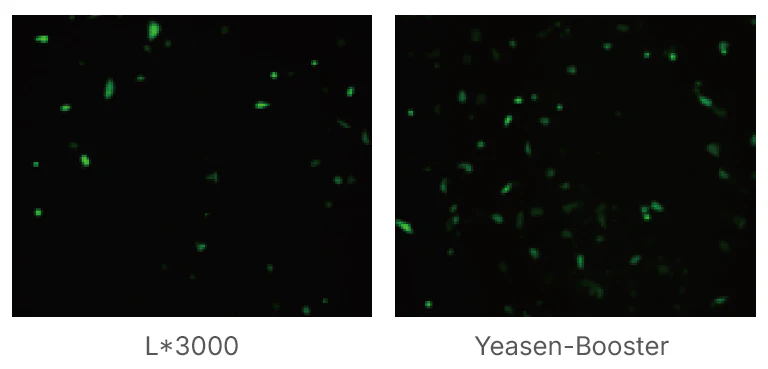
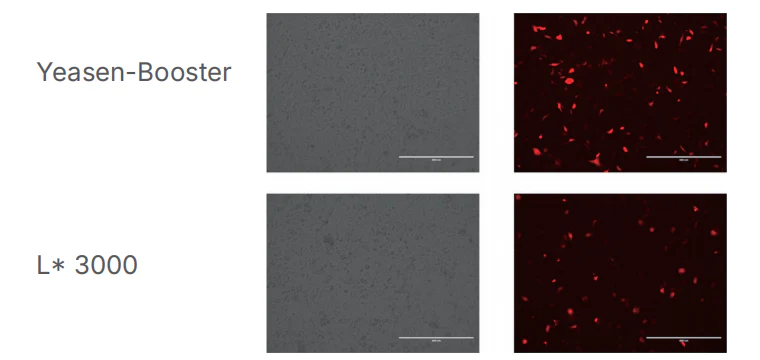
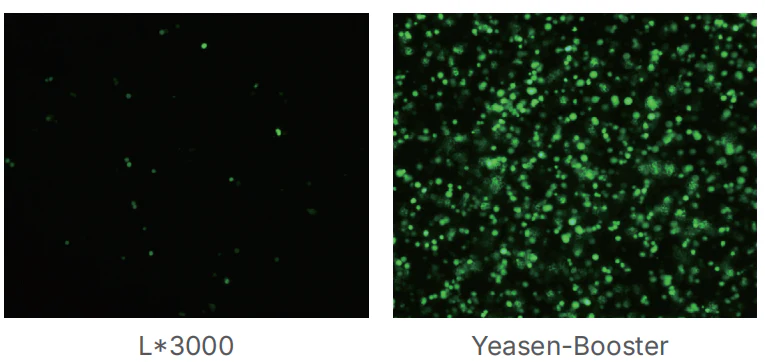
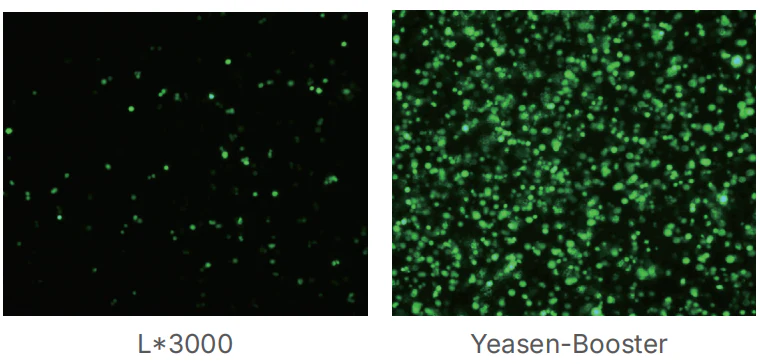
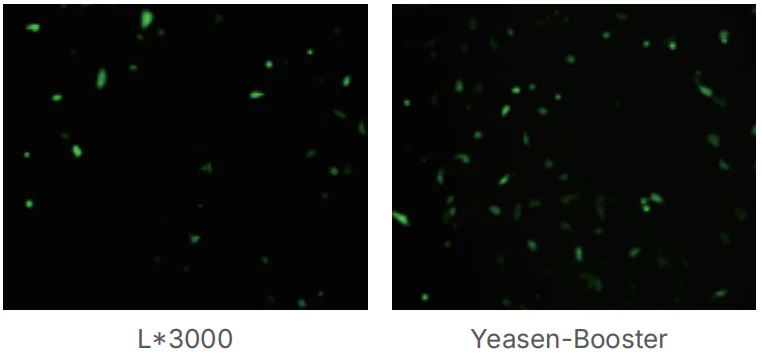
Plasmid DNA transfection in Jurkat using Booster DNA&RNA Transfection Reagent versus L* 3000 transfection reagent. The result demonstrates superior cell transfection efficiency of Booster.
Plasmid DNA transfection in THP-1 using Booster DNA&RNA Transfection Reagent versus L* 3000 transfection reagent. The result demonstrates superior cell transfection efficiency of Booster.
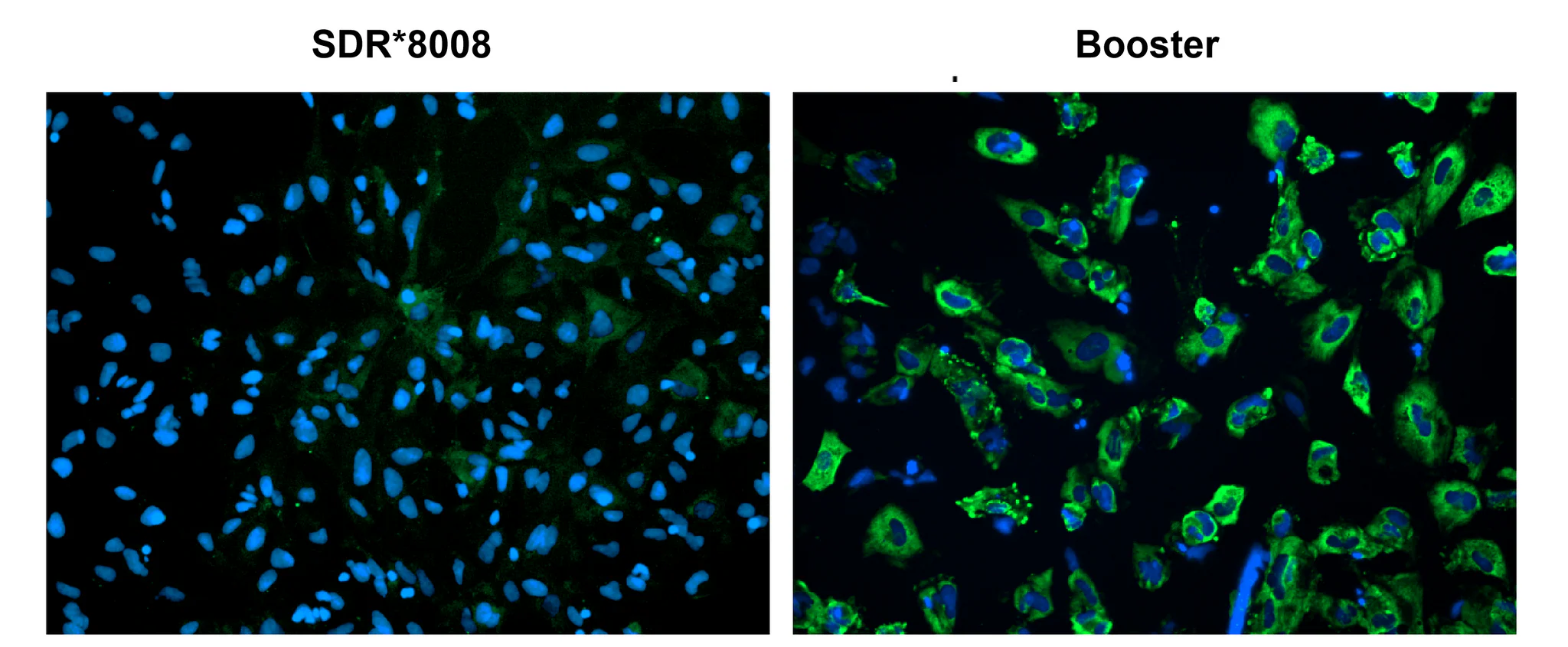
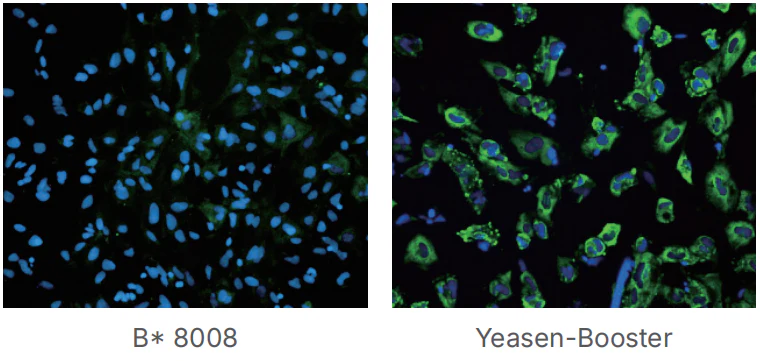
Transfection of mRNA into Mouse primary neural stem cells using Booster DNA&RNA Transfection Reagent versus B*8008. The results showed that the transfection efficiency of Yeasen Booster transfection reagent was close to 100%.
BMDMs (Primary Bone Marrow–Derived Macrophages) siRNA Transfection
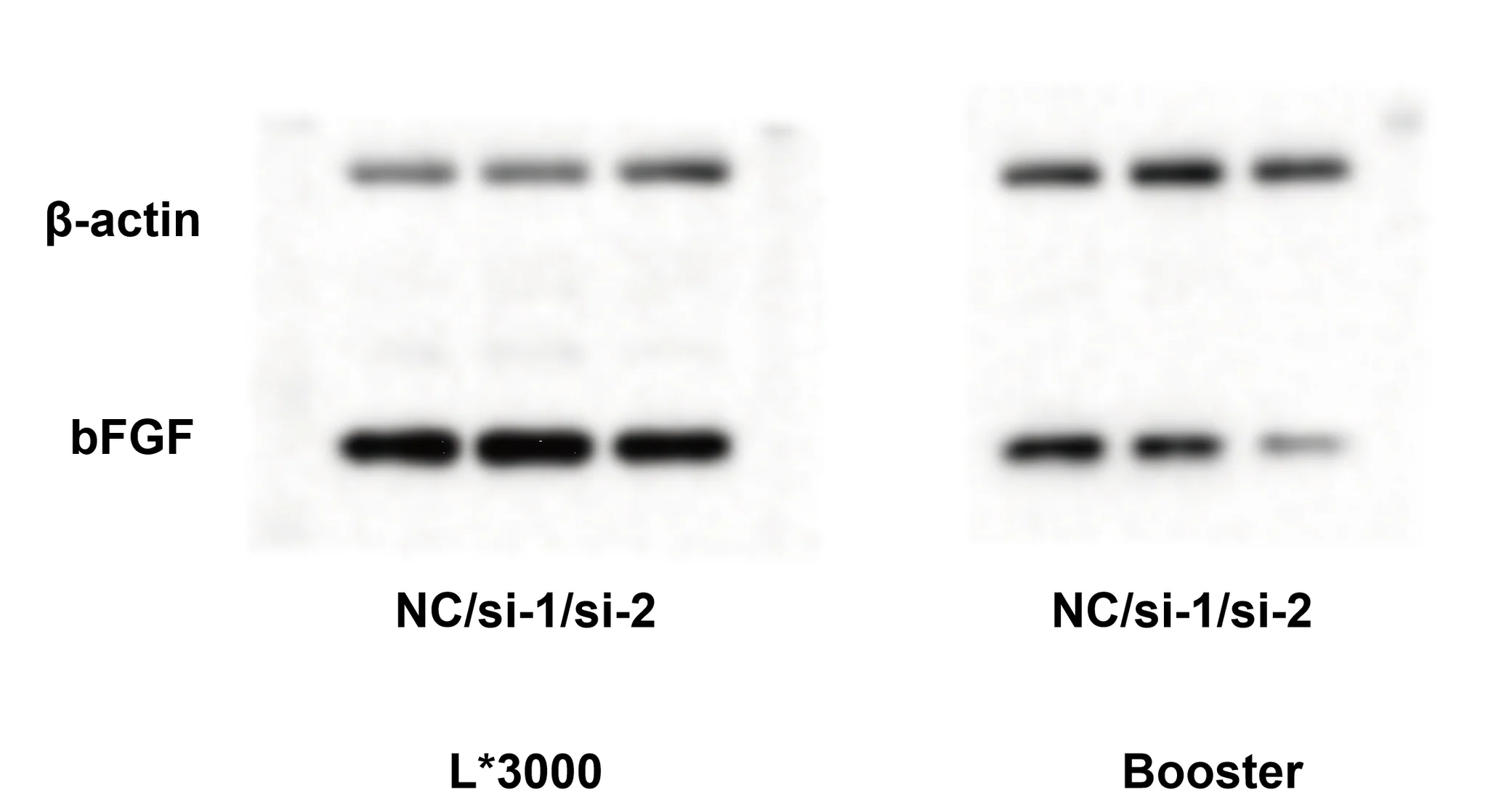
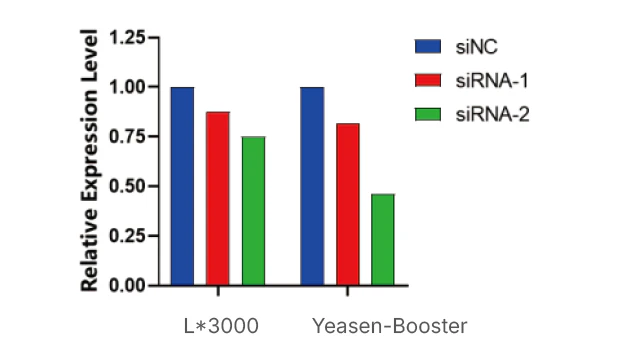
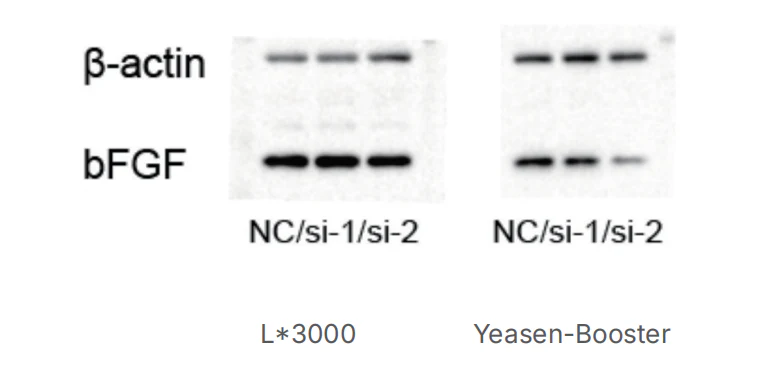
siRNA transfection in primary bone marrow–derived macrophages using Booster DNA&RNA Transfection Reagent versus L* 3000 transfection reagent. Western blot results show that Yeasen Booster achieves more efficient gene knockdown.
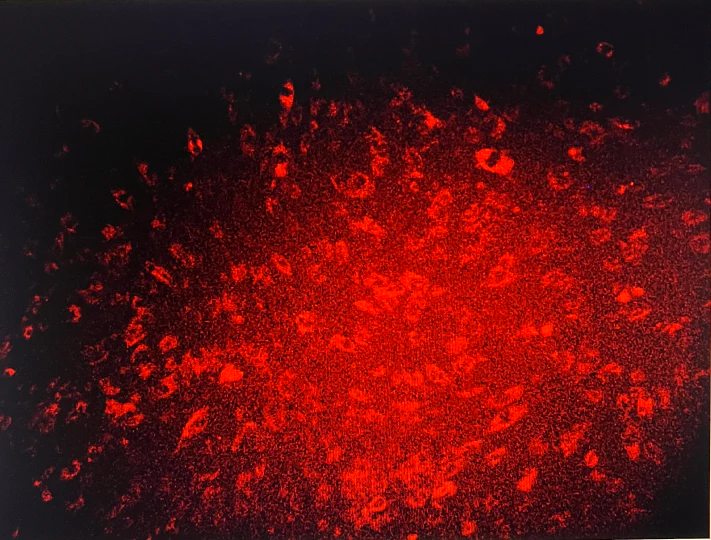
Transfection of plasmid DNA into Primary skin fibroblasts using Booster DNA&RNA Transfection Reagent. The result showed that Yeasen Booster transfection reagent can efficiently transfect.
HEK293 (Human Embryonic Kidney Cells) DNA Transfection
15 Kb large fragment plasmid DNA transfection in HEK293 cells using Booster DNA&RNA Transfection Reagent. The results showed that Yeasen Booster transfection reagent had a significant overexpression effect.
DF-1 (Chicken Embryo Fibroblasts) DNA Transfection
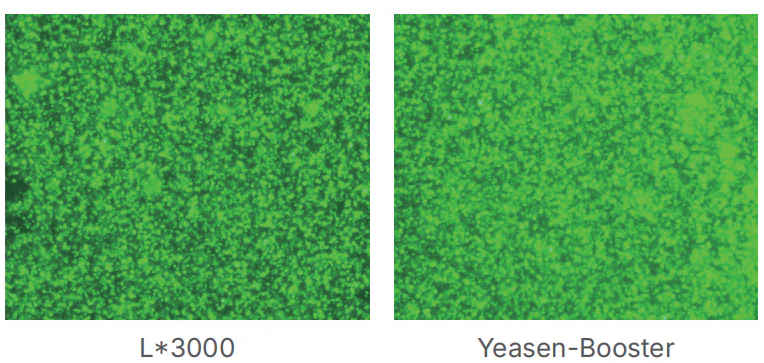
Plasmid DNA transfection in DF-1 cells using Booster DNA&RNA Transfection Reagent versus L* 3000 transfection reagent. The result demonstrates superior transfection efficiency of Booster.
A549 (human non-small cell lung cancer cells) DNA Transfection
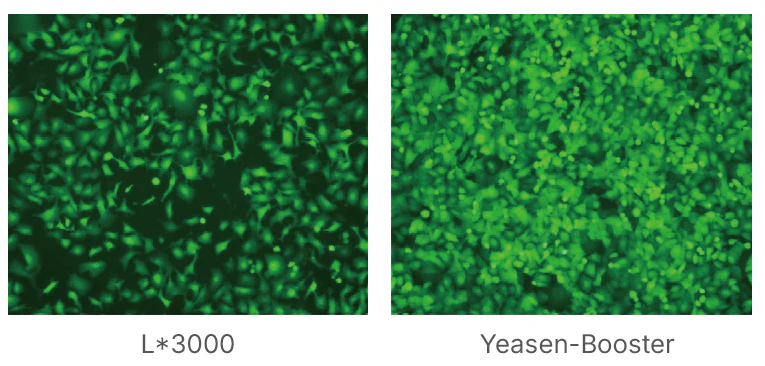
Plasmid DNA transfection in A549 using Booster DNA&RNA Transfection Reagent versus L* 3000 transfection reagent. The result demonstrates superior cell transfection efficiency of Booster.
CEFs (Primary Chicken Embryo Fibroblasts) DNA Transfection
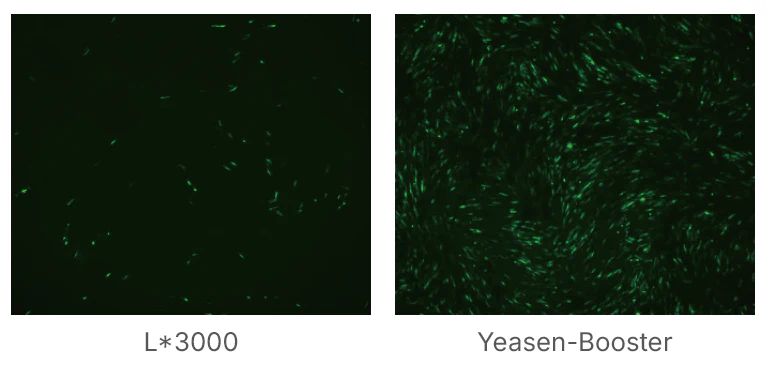
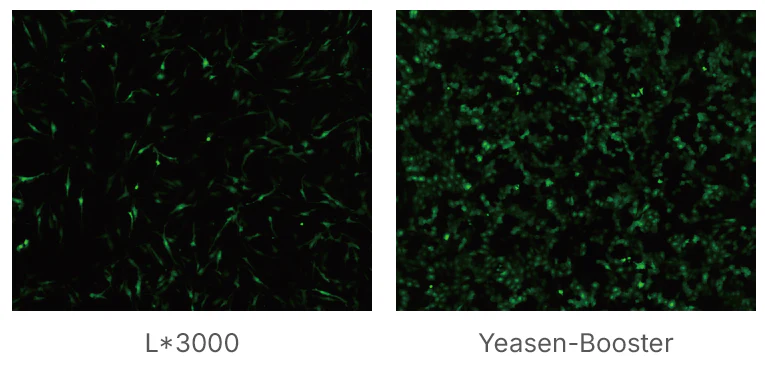
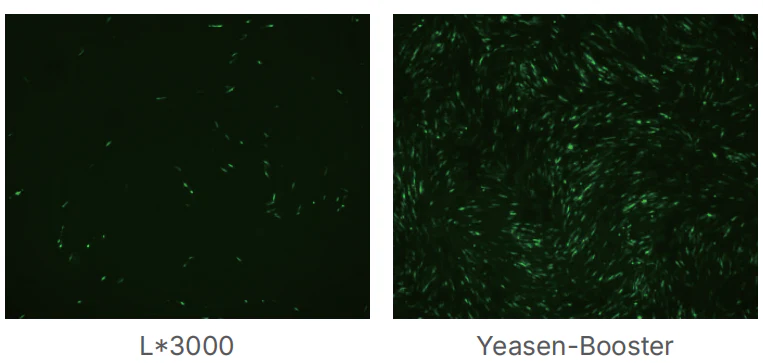
Plasmid DNA transfection in primary chicken embryo fibroblasts using Booster DNA&RNA Transfection Reagent versus L*3000 transfection reagent. The results demonstrate superior transfection performance of Booster.
T24 (Human Bladder Transitional Cell Carcinoma Cells) DNA Transfection
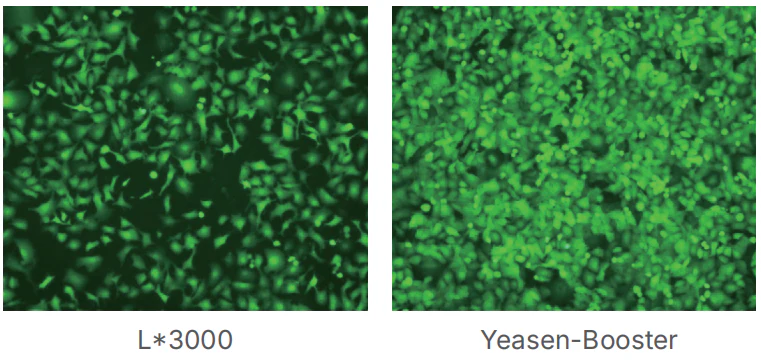
Plasmid DNA transfection in T24 using Booster DNA&RNA Transfection Reagent versus L* 3000 transfection reagent. The result demonstrates superior cell transfection efficiency of Booster.
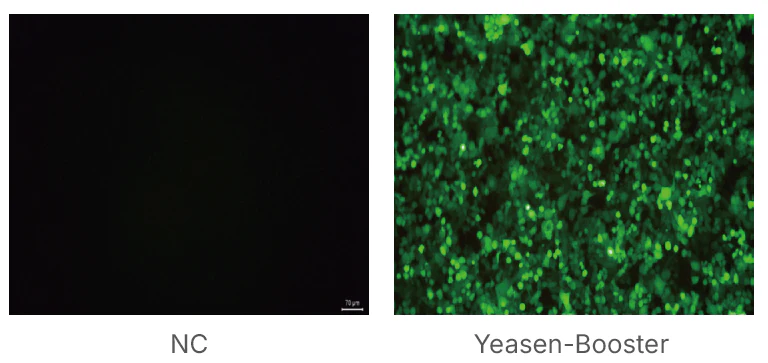
mRNA transfection in 293T cells using Booster DNA&RNA Transfection Reagent. The results showed that Yeasen Booster transfection reagent had a significant overexpression effect.
Mandarin Fish Cells (MFCs) Co-Transfection of DNA and mRNA
Co-transfection of plasmid DNA and mRNA in MFCs cells using Booster DNA&RNA Transfection Reagent versus L* 3000 transfection reagent. The result demonstrates superior transfection efficiency of Booster.
Nucleic Acid Type: Co-transfection of plasmid DNA and mRNA Culture Plate Size: 6-well-plate Transfection Reagent Volume: 3 μL transfection reagent + 2 μL transfection reagent
siRNA transfection in MC3T3-E1 cells using Booster DNA&RNA Transfection Reagent versus L*3000. The result demonstrates that Booster achieves a stronger gene knockdown effect.
Transfection of plasmid DNA into primary porcine alveolar macrophages using Booster DNA&RNA Transfection Reagent versus L*3000. The result demonstrates superior DNA transfection efficiency of Booster.
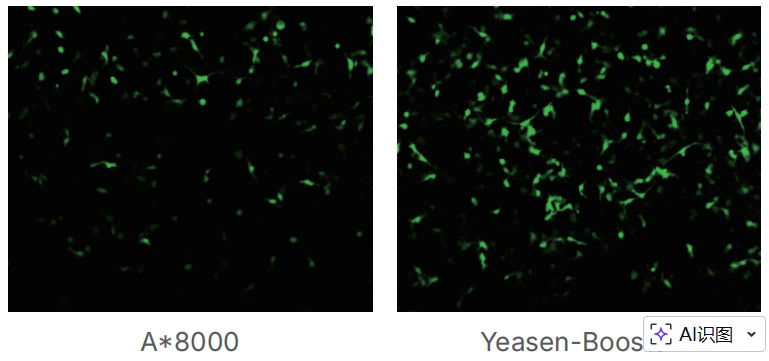
Transfection of plasmid DNA into mouse primary fibroblasts using Booster DNA&RNA Transfection Reagent versus A*8000. The result demonstrates superior DNA transfection efficiency of Booster.
Transfection of mRNA into Mouse primary neural stem cells using Booster DNA&RNA Transfection Reagent versus B*8008. The results showed that the transfection efficiency of Yeasen Booster transfection reagent was close to 100%.
Transfection of plasmid DNA into Primary skin fibroblasts using Booster DNA&RNA Transfection Reagent. The result showed that Yeasen Booster transfection reagent can efficiently transfect.
siRNA transfection in primary bone marrow–derived macrophages using Booster DNA&RNA Transfection Reagent versus L* 3000 transfection reagent. Western blot results show that Yeasen Booster achieves more efficient gene knockdown.
HPAECs (Primary Human Pulmonary Artery Endothelial Cells)
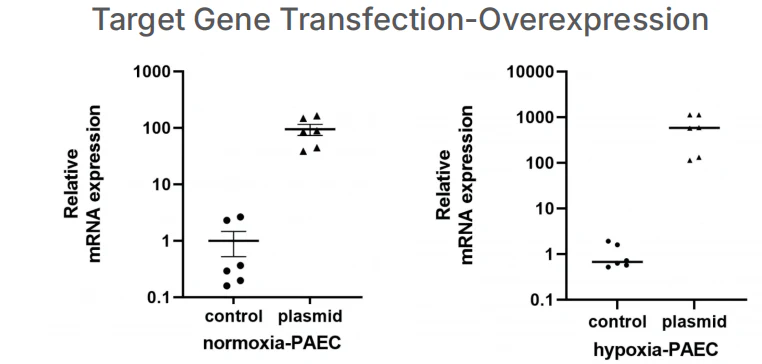
Transfection of plasmid DNA into Primary human pulmonary artery endothelial cells under hypoxic and normal conditions using Booster DNA&RNA Transfection Reagent. The result showed that Yeasen Booster transfection reagent can efficiently transfect.
Plasmid DNA transfection in primary chicken embryo fibroblasts using Booster DNA&RNA Transfection Reagent versus L*3000 transfection reagent. The results demonstrate superior transfection performance of Booster.
Plasmid DNA transfection in THP-1 using Booster DNA&RNA Transfection Reagent versus L* 3000 transfection reagent. The result demonstrates superior cell transfection efficiency of Booster.
Plasmid DNA transfection in Jurkat using Booster DNA&RNA Transfection Reagent versus L* 3000 transfection reagent. The result demonstrates superior cell transfection efficiency of Booster.
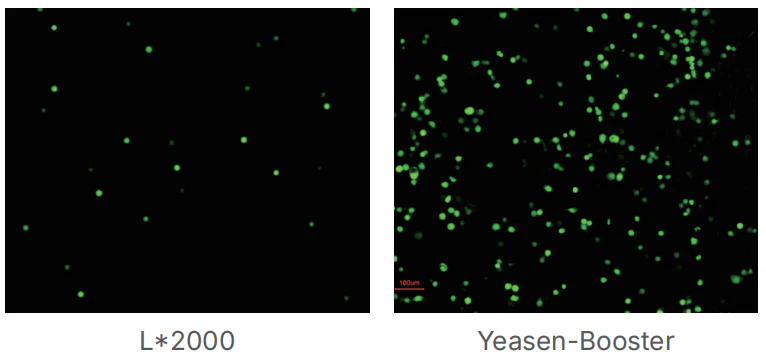
Plasmid DNA transfection in sf9 using Booster DNA&RNA Transfection Reagent versus L* 2000 transfection reagent. The result demonstrates superior cell transfection efficiency of Booster. Nucleic Acid Type: Plsmid DNA(6738bp) Culture Plate Size: 6-well-plate Nucleic Acid Amount: 2.5 μg Transfection Reagent Volume: 5 μL
CHO-S (Chinese hamster ovary cells)
Plasmid DNA transfection in CHO-S using Booster DNA&RNA Transfection Reagent versus L* 3000 transfection reagent. The result demonstrates superior cell transfection efficiency of Booster.
Plasmid DNA transfection in A549 using Booster DNA&RNA Transfection Reagent versus L* 3000 transfection reagent. The result demonstrates superior cell transfection efficiency of Booster.
Plasmid DNA transfection in T24 using Booster DNA&RNA Transfection Reagent versus L* 3000 transfection reagent. The result demonstrates superior cell transfection efficiency of Booster.
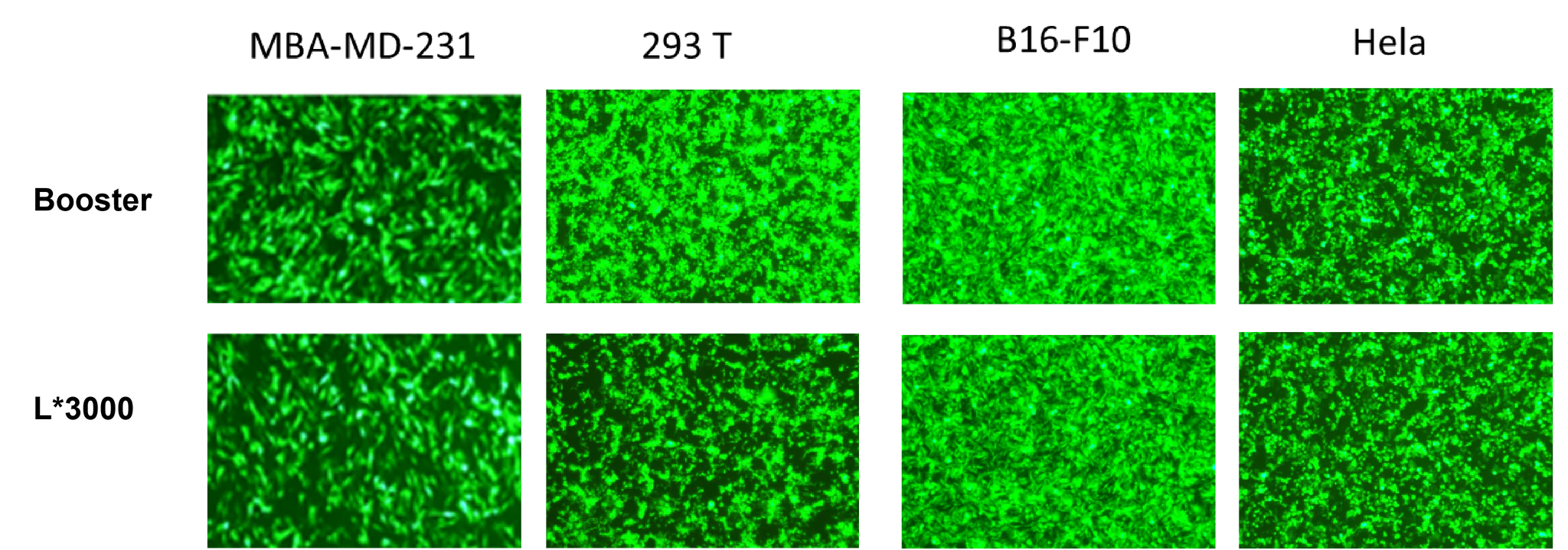
DNA transfection across different cells using Booster DNA&RNA Transfection Reagent versus L*3000. The result demonstrates superior DNA transfection efficiency of Booster.
High-Efficiency mRNA Transfection
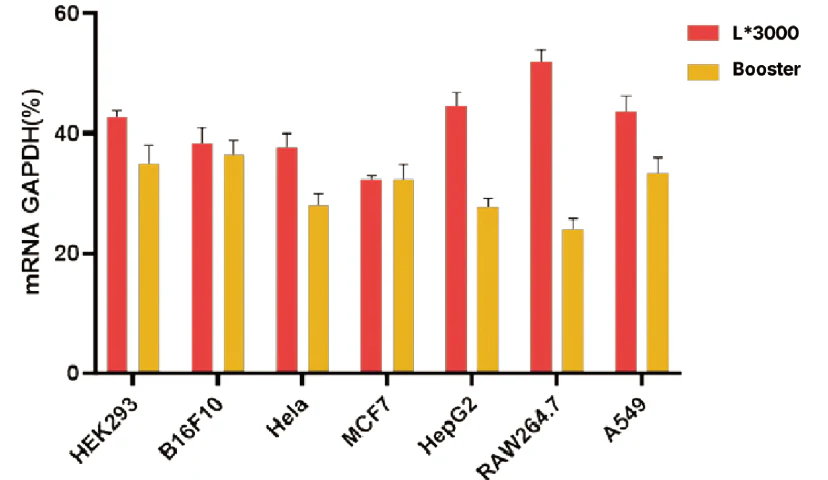
mRNA transfection across different cells using Booster DNA&RNA Transfection Reagent versus L*3000. The result demonstrates superior mRNA transfection efficiency of Booster.
High-Efficiency siRNA Transfection
siRNA transfection across different cells using Booster DNA&RNA Transfection Reagent versus L*3000. The result demonstrates superior siRNA transfection efficiency of Booster.
Unlock Creativity with Booster's Superior Performance
AI-powered Novel Transfection Reagent Development Platform
Leveraging an AI-powered and high-throughput screening platform for transfection reagent development, Yeasen Biotechnology has successfully launched a series of transfection reagents covering three major fields: basic scientific research, recombinant protein/antibody production, and viral vector manufacturing.
This platform provides researchers with high-quality foundational transfection reagents. It's high-performance products support large-scale antibody and protein production; and it also offers GMP-grade transfection reagents for viral packaging, meeting the demands of large-scale AAV and lentiviral (LV) vector production, thereby robustly supporting drug development and manufacturing applications.
Unique Mechanism Enhances Transfection Efficiency at Every Step.
Hieff TransTM Booster is a next-generation polymeric transfection reagent. Its unique mechanism enhances transfection efficiency at every step, delivering higher success rates for your transfection experiments!
1) High Loading Capacity → Dual mechanism: charge interaction + polymer chain entanglement; Higher loading capacity than traditional charge-interaction methods.
3) Non-Damaging Release → Rapid polymer degradation by intracellular enzymes/reducing GSH; Zero-damage release of nucleic acids.
4) Enhanced Safety → Rapid polymer degradation property; Lower toxicity than traditional lipid-based transfection reagents.
Cell Transfection FAQs
How do I mix multiple plasmids for co-transfection?
total DNA within kit maximum. Each plasmid ≥10 % of total. Adjust molar ratio, reporter plasmid can be reduced 1:5 to 1:10 to avoid "squelching".
When should I assay knock-down after siRNA transfection?
mRNA: 24–48 h. Protein: 48–72 h. FAM-siRNA fluorescence visible as cytoplasmic puncta within 6 h.
What’s different about DNA, mRNA, and siRNA transfection?
DNA: Requires nuclear entry for transcription. Timing may be cell cycle-dependent. mRNA: Only needs to reach the cytoplasm. Faster expression onset, no risk of genomic integration. expression starts 1–4 h, lasts 1–4 days. Ideal for hard-to-transfect cells, short-term expression, promoter-independent studies. siRNA: Small duplex RNA that mediates sequence-specific mRNA degradation. Expression knockdown can appear within hours. Shorter incubation (4–24 hours), requires specific targeting sequences, used for gene silencing.
How should I improve transfection in primary cells?
Primary cells are often sensitive and have lower uptake efficiency. Tips: Use reagents validated for primary cells. Optimize cell confluency (often 60–80%). Minimize reagent toxicity (lower doses, shorter exposure). educe serum concentration during transfection (or use serum - compatible reagents). Minimize exposure time to the transfection complex (4–6 hours). Consider electroporation for hard-to-transfect types.
What are the characteristics of common commercial transfection reagents?
Lipid-based: LipofectamineTM, FuGENETM, jetPEITM.Strengths: High efficiency, broad applicability. Limitations: Can be costly